
Miles Left in the Tank
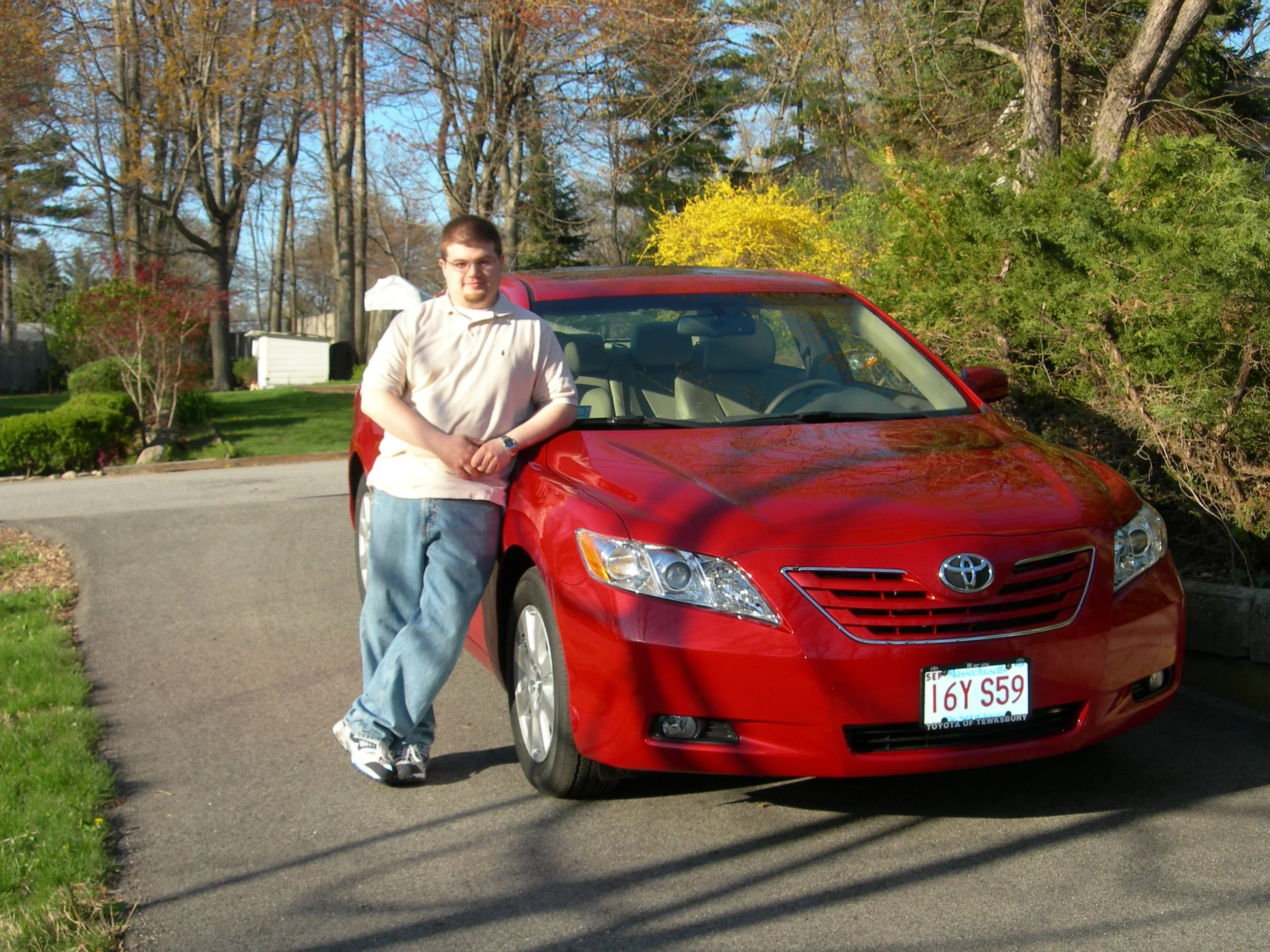
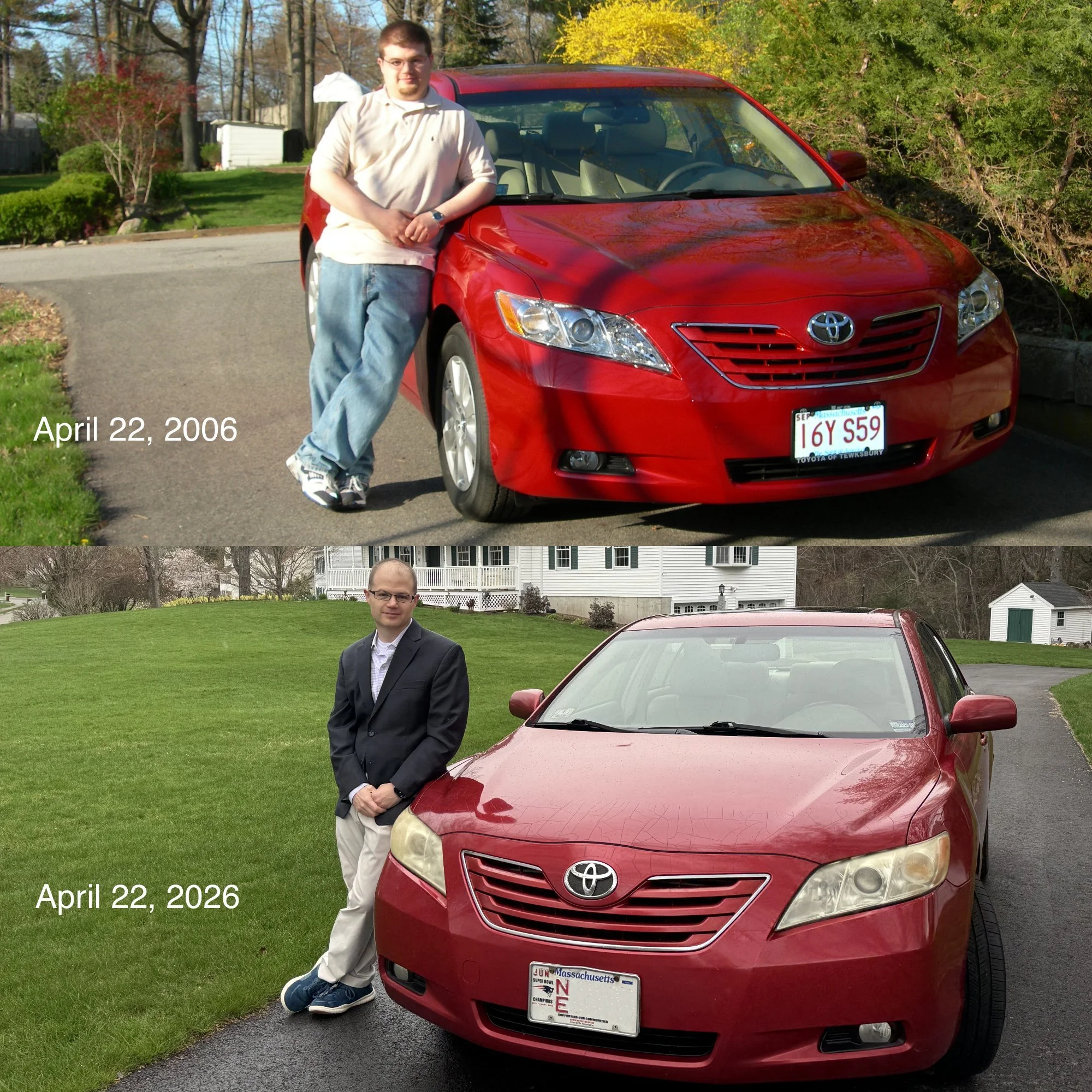
The “Day 1 New Car Picture”! The Camry has aged surprisingly well. The guy leaning on it is more of a mixed bag.
On April 22, 2006, I bought a brand new 2007 Toyota Camry XLE V6. The car was bright red, spotless, and had that intoxicating “you just signed papers for something more expensive than you should have” energy. I, on the other hand, looked like a kid who had just wandered out of a college computer lab and had somehow mistakenly been handed keys to a grown-up car. My fiancée and I christened “her” Scarlett – because the Nav system had a female voice.
Today, that car turns twenty years old. I still drive it daily. It’s been my car the whole time.
Technically, the door sticker says it was built in January 2006 and it has a “J” VIN, which means it was made in Japan and shipped over on a boat (it has the tie downs to prove it). As a lifelong Camry “enthusiast” (if such a thing were to exist) - yes, I think that is cool (or at least kind of neat) and no, I am not seeking treatment for that opinion. Regardless of when it was manufactured across the Pacific Ocean, I consider its real birthday the day I took possession of it. April 22, 2006 was the day it became mine, and somehow, unbelievably, it has now been in my life longer than my house, my kids, and even longer than my wife and I have been married. A bit more on that later.
That sentence alone makes me sound either loyal, practical, or like the cheapest guy in Middlesex County. The truth is probably some combination of all three – but mostly the cheap one.
I know how this sounds to some people. Twenty years with the same car? In Massachusetts? Through road salt, potholes, snow, and the kind of mystery dashboard noises that can make a grown adult cry in a parking lot? For a lot of folks, a car is more than transportation. It is a hobby, a passion, a statement, maybe even a reward. I have no problem with that. People should spend money on the things that bring them joy.
For me, though, cars have never been that thing. They get me places. Largely - as it so happens - to work.
I like cars just fine. I appreciate a good engine, a comfortable interior, and the fact that mine can still get out of its own way because the V6 is sneaky like that. But I do not get immense pleasure from having a new car in the driveway every few years. I get more pleasure from things like travel, from financial security, from not panicking at every unexpected expense, and from knowing that the money I did not spend on a monthly car payment can go to airfare, college savings, retirement, or a meal somewhere with an ocean view.
That is not an accident or a bug in the system. It is the system.
My total cost of transportation is probably lower than virtually everyone else’s, at least among people I know who are not commuting by mule. And honestly, mule feed is probably expensive these days. That is by design. When you buy a car, pay for it in cash or pay it off, maintain it, and hold onto it for a very long time, the math starts to get silly in a good way. Insurance tends to be lower. Taxes are lower. My excise tax is $50 a year. Depreciation becomes less of a concern because - quite frankly - what are you going to lose on year nineteen that you did not already lose on year fifteen? To be honest, I’ve seen some stretches post-pandemic that it appreciated. By a certain point, you are not really driving an asset. You are driving a strategy.
And I think there is a broader lesson there, because I take this same “buy and hold” philosophy into my day job as CIO at UMass Lowell. (C’mon, I have to at least try, right?)
One place it shows up is hardware. We tend to buy and hold datacenter hardware. I rarely, if ever, want to disposition technology that still has miles left in the tank. If something is still reliable, supportable, useful, and aligned to the mission, I do not get a lot of joy out of replacing it simply because the calendar says I can. That approach helps drive down the cost of hardware. Driving down the cost of hardware helps drive down the cost of IT. Driving down the cost of IT leaves more money for the things that matter more, like student experience, academic support, research, and the actual mission of the institution.
This is where I think a lot of organizations get tripped up. They confuse replacement with progress. They assume that newer automatically means better, or that refreshing something early is inherently sophisticated. Sometimes it is. Sometimes you absolutely should replace something because the risk is too high, the support window is closing, a new feature set can drive substantial value, or the maintenance burden has become absurd. I am not arguing for hoarding dead beige servers in a basement like some kind of digital raccoon. I am arguing for thoughtful and intentional stewardship. There is a difference.
If something still has value, I want to capture that value.
That same principle applies to people, and this is where I think the analogy gets even more interesting – or at least more tenuously close to full-on LinkedIn Lunatic territory.
The average tenure of someone in IT at UMass Lowell is very, very long. I have been there for twenty-two years and I am still not even close to the longest tenured person in my department, never mind the university. That kind of longevity matters. It matters more than people sometimes realize.
Over twenty years, I have gotten to know every square inch of my car. I know how it sounds on a cold morning. I know how it handles in heavy rain coming around a curve. I know how it behaves in snow. I know which noises matter, which noises do not, and which noises are the automotive equivalent of “you should probably deal with this before it becomes an expensive story.” There are very few surprises left between me and Scarlett.
The same thing happens with a great team that has been together a long time. When you have seen people through many seasons, recessions, incidents, upgrades, reorganizations, outages, leadership changes, and everything else that comes with life in higher education IT, you stop getting surprised by who they are. You know how they think under pressure. You know who is calm in a crisis. You know who can make order out of chaos. You know who needs a little time to process and who is already solving the problem before the meeting invite goes out.
There is incredible value in that.
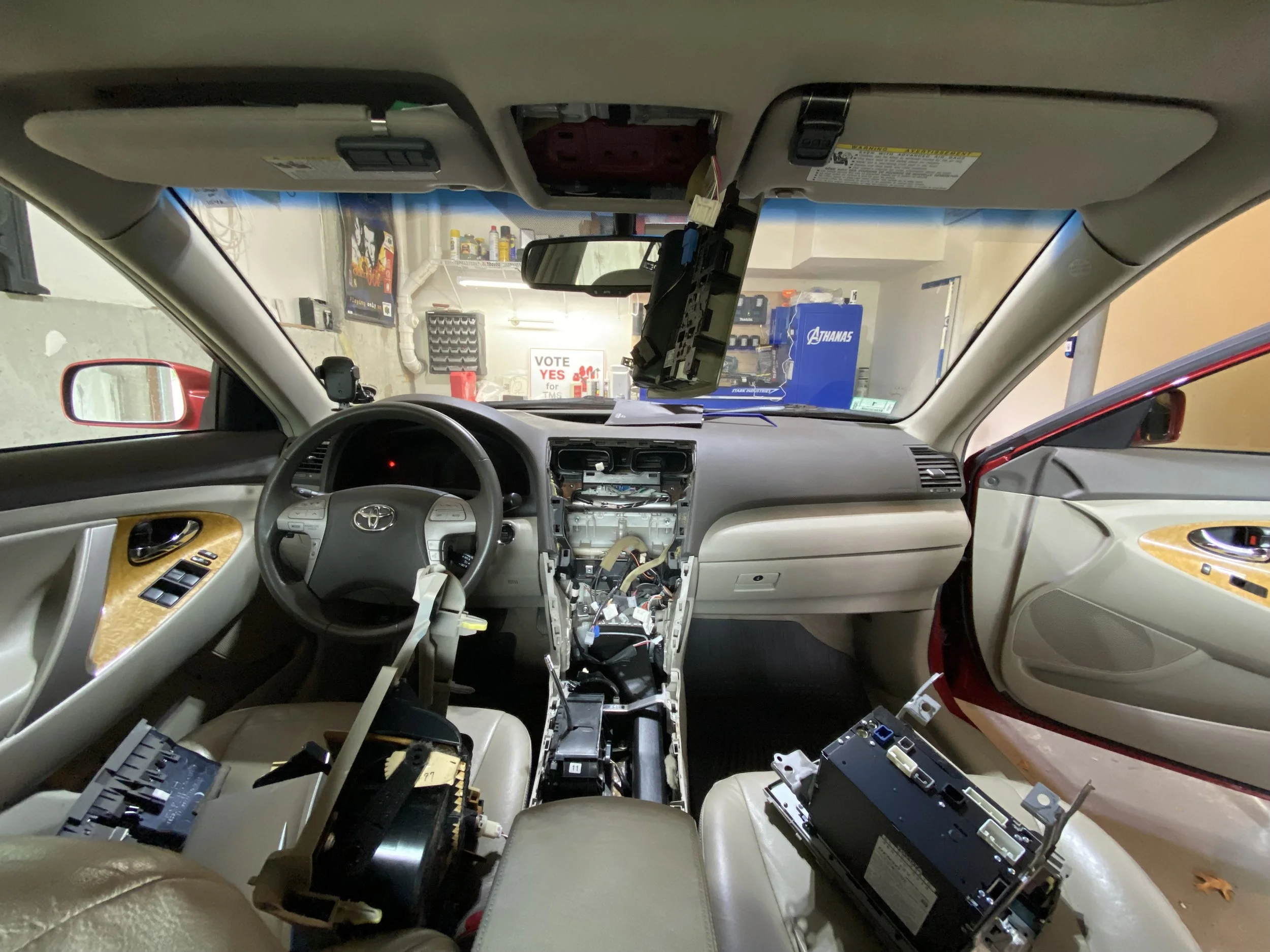
This is when I Installed Carplay. Nothing to see here… this wasn’t stressful at all. Note the sick tool cabinet in the background though, huh? Etsy is wild.
You cannot build that kind of institutional knowledge overnight, and you definitely cannot replace it cheaply. A team with long tenure, high trust, and shared history is not static. It is seasoned. There is a difference. We tend to celebrate novelty in leadership circles, but experience has a compounding effect too. Sometimes the most powerful thing in the room is not the shiny new platform or the fresh org chart. Sometimes it is the quiet confidence of people who have been through this movie before and already know how it ends.
Now, before this starts sounding like I am advocating for never changing anything, let me be clear. “Buy and hold” is not the same as “buy and ignore.”
Scarlett is twenty years old, but she didn’t get there because I parked it in the driveway and hoped for the best. It got there because I have invested in her over time.
In 2024, I added a backup camera because I was tired of not having one. I could have spent thirty thousand dollars on a new car to get that feature, or I could spend about fifty bucks on Amazon and an afternoon of my life and put one above the license plate. I chose Door Number Two.
In 2022, I replaced the factory navigation unit with an Alpine so I could have CarPlay. Again, I did not need a new car. I needed the right upgrade to make the one I had work the way I wanted.
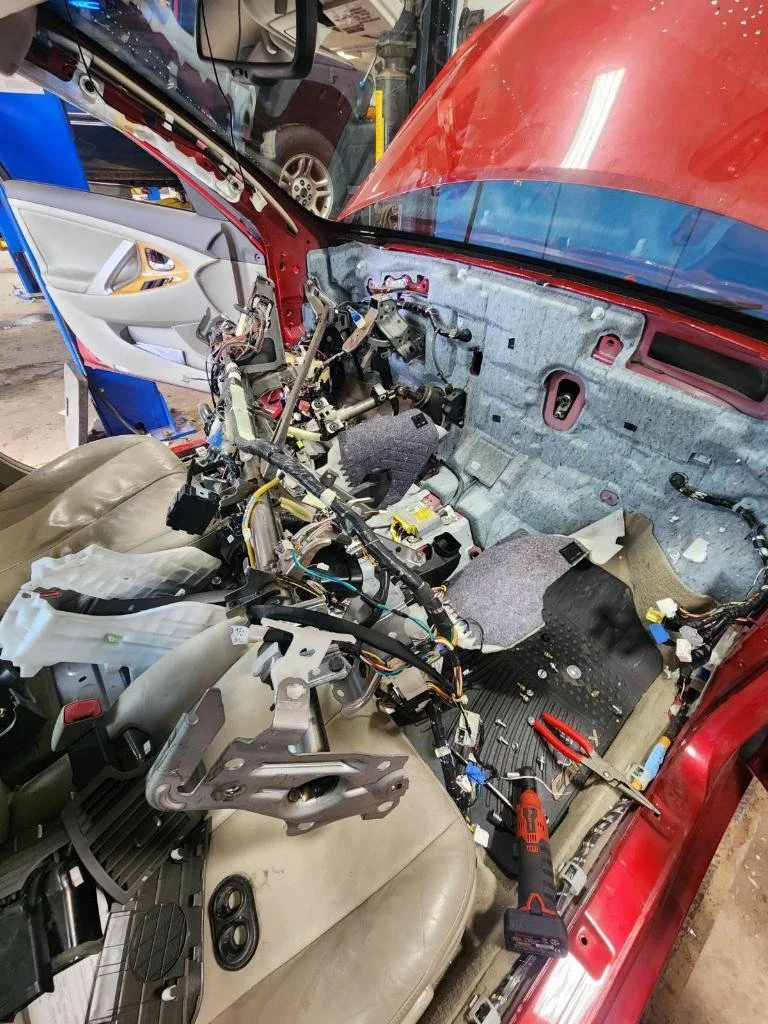
The evaporator coil replacement. This looks less like routine maintenance and more like I lost an argument with a team of honey badgers holding socket wrenches.
In 2023, the evaporator coil for the air conditioning died, which required removing basically every piece of the dash all the way back to the firewall. In 2019 or so, a fender that was not original because of an accident back in 2009 finally rusted, so I replaced it myself In 2010, it ruptured an oil line, which thankfully was covered by warranty and an active recall. In 2014, the alternator caught honest-to-goodness fire, which is one of those phrases that feels more dramatic than you want associated with your daily transportation.
And yet, even with all that, the repairs either cost nothing or were not terribly expensive when compared to the value of the car. More importantly: they were still far less expensive than a replacement.
That is not just a car lesson. That is a leadership lesson.
Your team will not remain current by accident any more than a twenty-year-old car will magically sprout CarPlay because the universe loves you. People need development. They need training. They need stretch opportunities. They need new tools, new responsibilities, and sometimes new perspectives. Without investment, skills atrophy. Relevance fades. Performance drops. As I have said before, what do they call the world’s best Windows 2003 administrator? Unemployed.
I cannot think of many priorities in leading an IT team that matter more than development and training.
And while we are on the subject, sometimes people have their own version of an alternator fire. They get burned out. They lose momentum. Their role changes around them. A season gets hard. Life shows up. Performance dips. At that point, some leaders immediately move to discipline or replacement. Sometimes, replacement truly is necessary. But sometimes the better move is to ask how much value is still in there, what support is needed, and whether that person needs a “new alternator”: a role rotation, a fresh challenge, or just someone to believe they can get back to one hundred percent.
That is not sentimentality. That is stewardship, too.
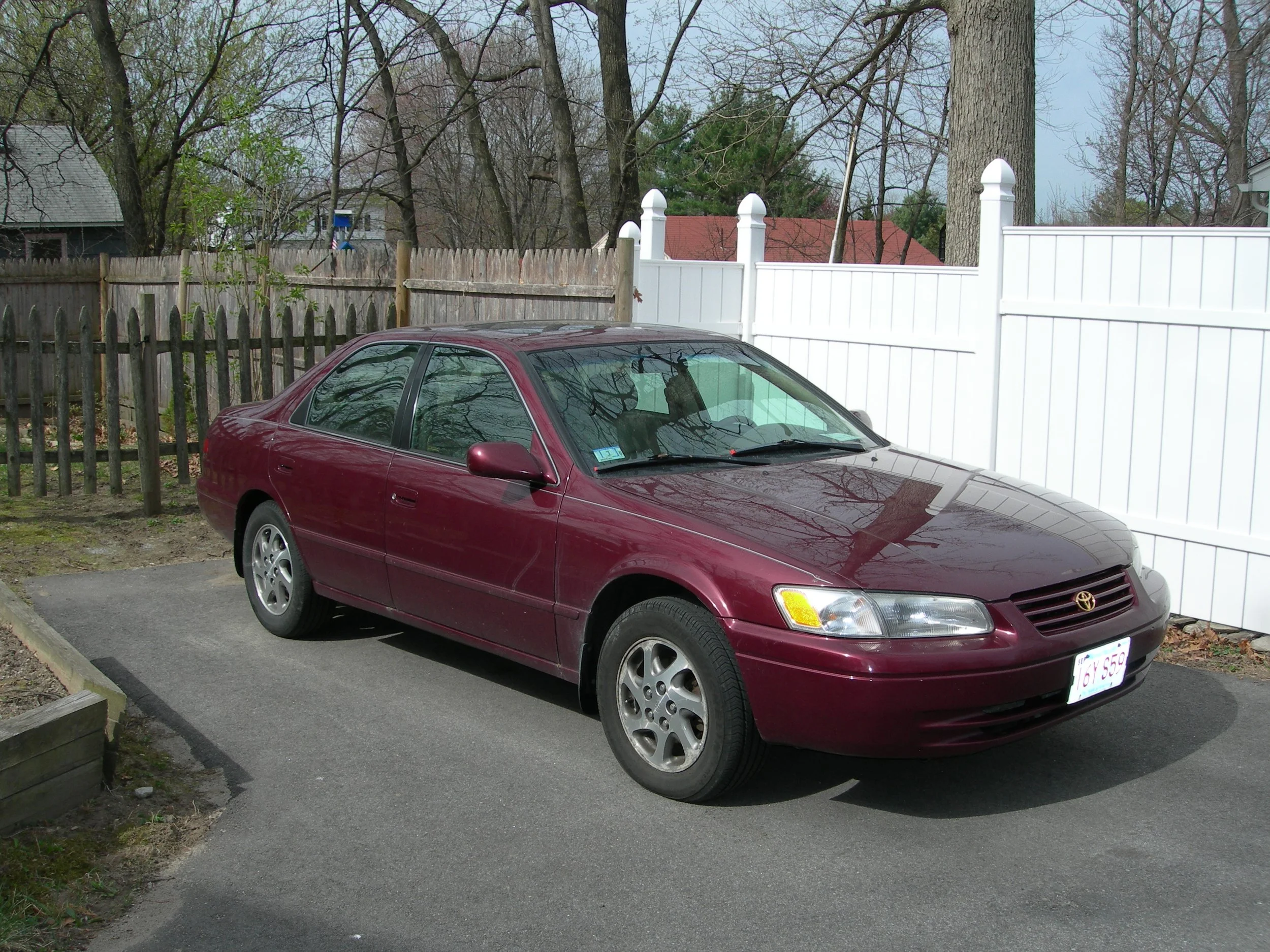
The 1998 Camry that got me out of college and into my professional career. It even had pin striping and gold badging! So. Damn. Classy.
Maybe this mindset comes naturally to me because I come from a long line of Camry ownership and so I’m clearly partial to super reliable vehicles. My first car was my mom’s old 1989 Toyota Camry DX, in a color officially called Mahogany Pearl Metallic and unofficially called “fecal brown.” It built character. My second car was my grandfather’s old 1990 bright red Toyota Camry LE, after the first one got hit in Lowell during college. That second one also got hit in Lowell toward the end of college, because apparently the city and my Camrys were engaged in some kind of ongoing blood feud. Then I bought a maroon 1998 Toyota Camry XLE, which at the time felt like genuine luxury because it had leather and a moonroof. The blood feud continued because that one was rear ended in Lowell – literally in front of my office – on the day I asked my girlfriend to marry me. It was also hit again in Andover, because that car was a little bougier and apparently wanted to move up in class when it came to accidents. That car got me through college and into my first IT Engineer job, which is when I bought this one. And, in a development that will surprise absolutely no one, Scarlett has also been hit in Lowell. Never once were any of these accidents even partially my fault, by the way.
So no, I did not wake up one day and accidentally become a long-term Camry person. This is a full-blown lifestyle brand at this point.
But this car in particular is different.
This car has been there through four places I have lived: a Dracut apartment, a Salem apartment, our first house in Tyngsboro where it was garaged for a dozen years, and the house we live in now. It drove my new wife and I home from our wedding. Both of my kids came home from the hospital in the back passenger side of this car. It has been in the driveway or garage for parts of my life that felt uncertain, exciting, exhausting, wonderful, and occasionally all four before lunch. It has been there for new jobs (all at UMass Lowell), bigger responsibilities, home projects, school drop offs, grocery runs, hardware store trips, family vacations, one random trip to the Poconos for the weirdest Microsoft Exchange training of all time, and the hundred quiet errands that make up a life.
That is one of the funny things about objects that stay around long enough. They stop being just objects. They become witnesses.
No, I am not saying the Camry has feelings. If it does, it is probably deeply concerned about my son, who is convinced he is going to get it as his first car. That is a horrifying sentence for a few reasons, not least of which is that if you are counting - we are only about two and a half years away from that being a real conversation. I am not emotionally prepared for that, and I am even less prepared for him to treat my twenty-year-old red Camry that he took his very first car ride in like some sort of teenage freedom machine.
But the point is this: sometimes “buy and hold” is the best strategy, not because you are afraid of change, but because you understand value.
You understand what something costs, what it returns, what it needs to stay effective, and what you can do with the savings if you choose not to chase the next shiny thing. You understand that longevity is not inertia; it is often the result of intentional care. You understand that replacement is a tool, not a philosophy.
It’s true for cars. It’s true for hardware. It’s true for teams. It’s (I think) even true for careers.
There will come a day when this car is done. I know that. Good things do not last forever, and sooner or later the math will stop making sense, the repairs will stack up, or the rust gods of New England will finally collect their due. I am not under the illusion that this Camry is immortal.
But I also do not think we are there yet.
Scarlett passed inspection in January. She still runs really well. She still does what I need a car to do. She can still pass a Vermonter on Route 3 that really believes 55 is the right speed. It feels like she still has - to use the technical term - some time left on the odometer. She’s only at 182,000.
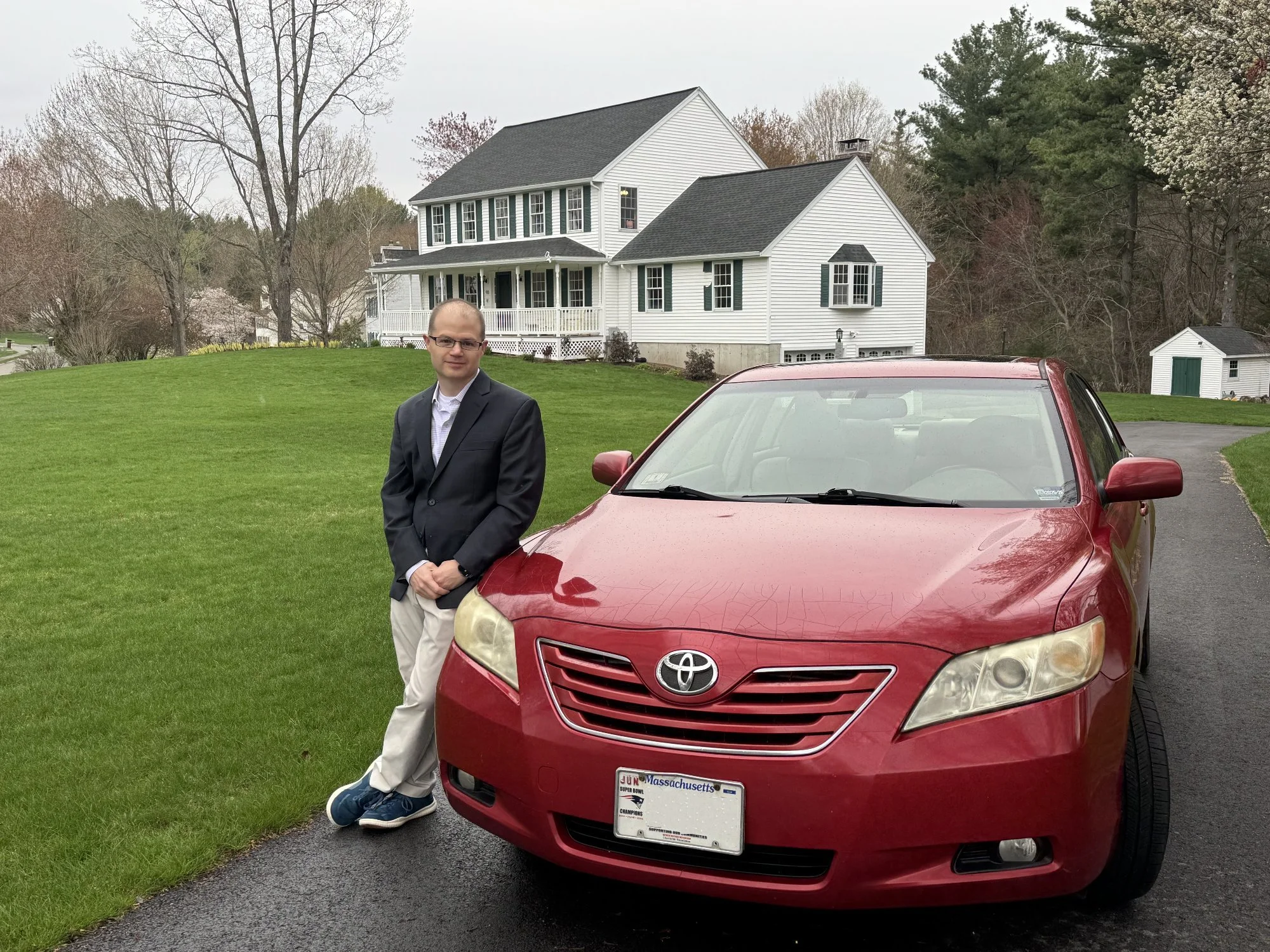
It’s the same idiot next to the same car, but separated by 20 years and 182,000 miles. Took this picture before heading to work this morning. If you’re wondering, my car is by a ridiculous margin the oldest car in the lot I park in. The other cars are jealous. Probably.
So, on her twentieth birthday, I am not really writing about a car. Not exactly. I am writing about the discipline of holding onto good things, taking care of them, updating them thoughtfully, and extracting the full value from them before moving on. In a culture that loves the new and celebrates the disposable, there is something quietly powerful about knowing when “still good” is actually very good.
And besides, every dollar I do not pour into a new car is a dollar that can go toward a plane ticket, a better future, or something that matters more to me than interior LED lighting ever will. Though, if I’m honest, I wouldn’t mind a heated steering wheel in February.
Anyone up for a road trip?
Questions for reflection:
What in your life or organization have you replaced too early simply because newer feels more exciting?
Where could a “buy and hold” mindset lower your costs and let you invest more in what really matter?
Are you maintaining and modernizing your people, tools, and systems well enough to keep real value on the road longer?